With RiskTools.AI, impairments are easier to report, track, and communicate.
Replace paper permits, spreadsheets, and phone calls with a purpose-built impairment management platform that keeps everyone informed.
What is a Fire Protection Impairment?
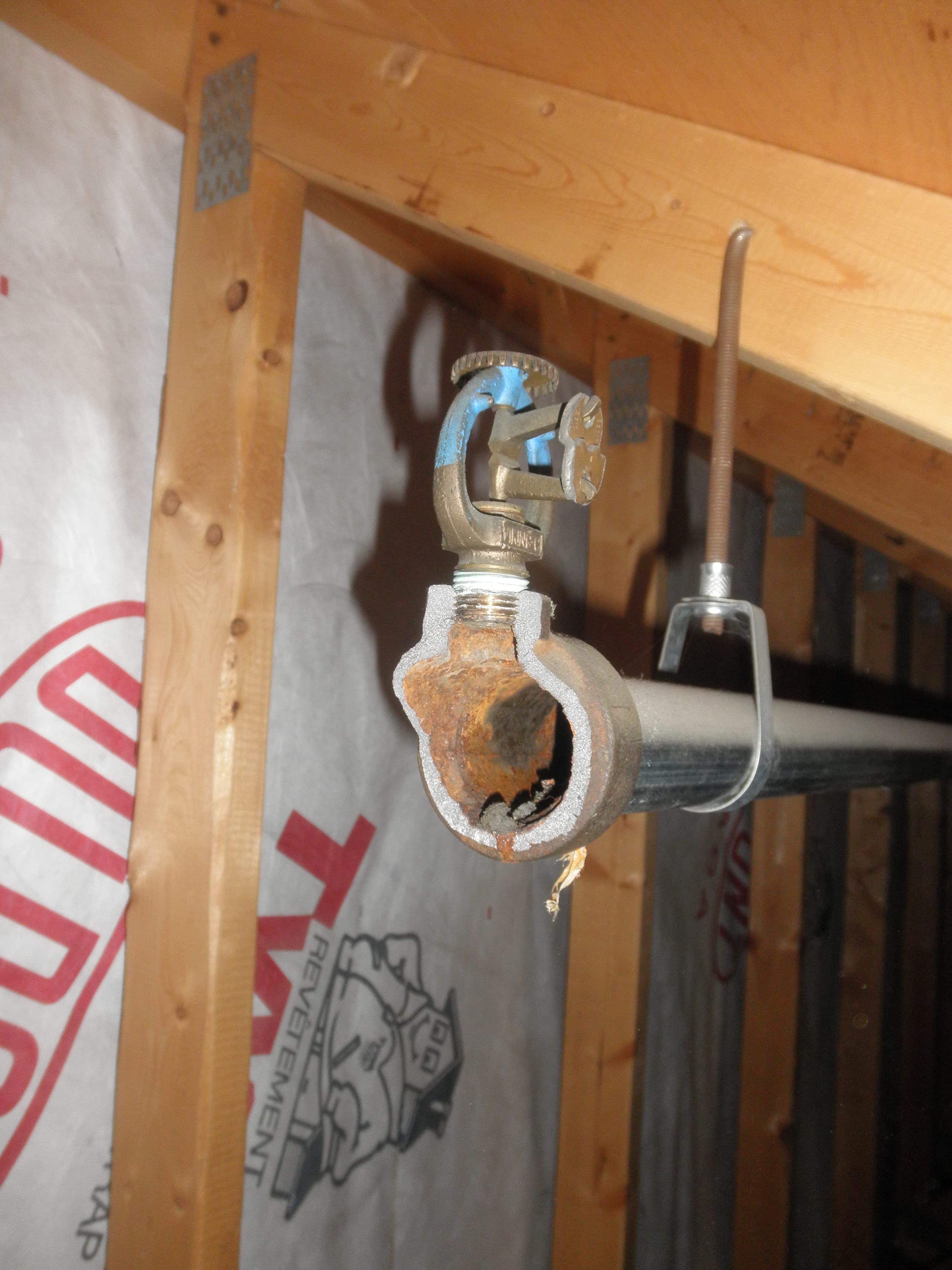
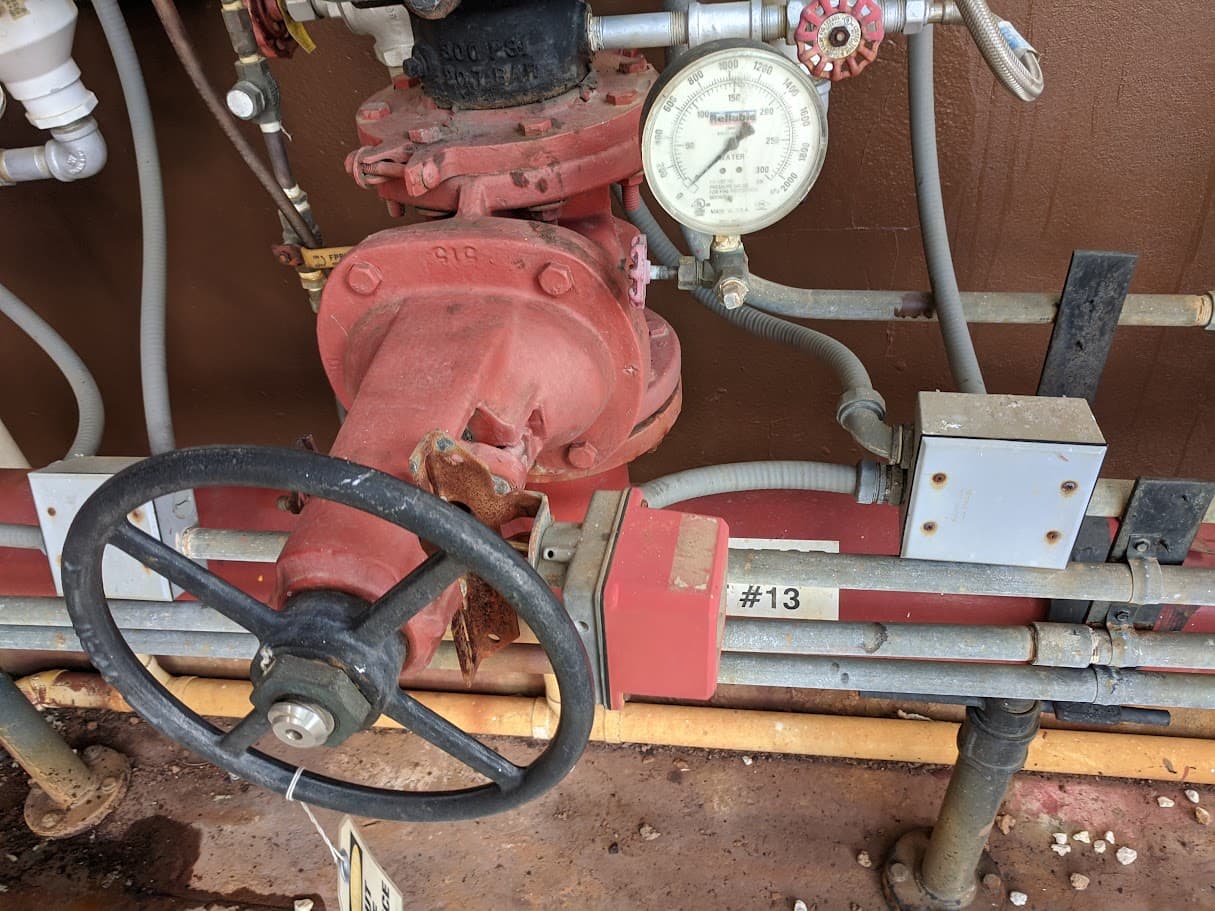
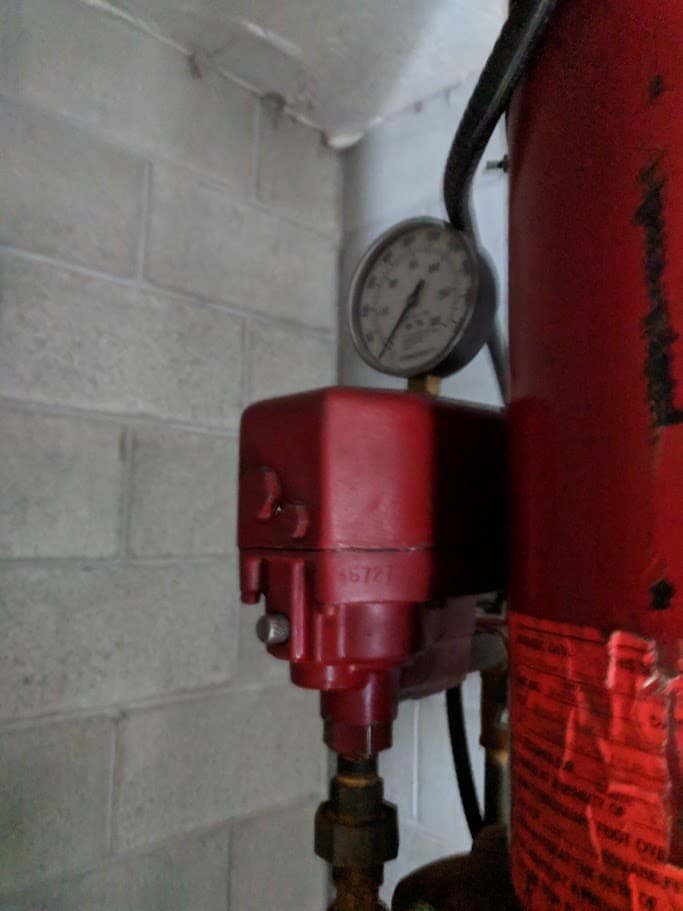
A fire protection impairment is any condition where automatic fire protection equipment — such as sprinkler systems or fire pumps — is out of service, degraded, or non-functional for any reason.
Impairments can be planned (for maintenance, construction, or testing) or unplanned (due to damage, leaks, or equipment failure). Either way, they create a window of elevated risk that must be carefully managed.
Proper impairment management means notifying the right stakeholders (risk managers, insurers, fire departments), implementing compensatory measures, and restoring protection as quickly as possible — all while maintaining a documented audit trail.
Planned Impairments
Scheduled maintenance, system upgrades, or construction work that requires temporarily disabling fire protection equipment.
Emergency Impairments
Unexpected equipment failures, pipe breaks, or damage that immediately takes fire protection systems offline without advance notice.
NFPA 25 Compliance
NFPA 25 requires impairment coordinators to ensure that a tag is hung, precautions are in place, and both insurers and emergency response teams are notified of all impairments. RiskTools.AI helps with all of these, while ensuring a robust documentation and paper trail.
Why is Impairment Management important?
National Fire Protection Association (NFPA) data show that automatic fire protection systems are critically important to safety and business continuity. However, the data also show that the single greatest cause of failure for automatic fire protection systems is simply that they were shut off!! Most insurance companies, and many Authorities Having Jurisdiction (AHJ), ask to be notified when a facility has a fire protection impairment, and to be notified again when fire protection is returned to service.
Records of more than two deaths where sprinkler systems operated as intended
Fewer civilian deaths in properties with sprinklers vs. without
Lower property losses per fire in sprinklered vs. unsprinklered properties
Of sprinkler system failures attributed to systems being shut off at the time of the fire
Source: U.S. Experience with Sprinklers, National Fire Protection Association report, 2017
Our Impairment Management Solution
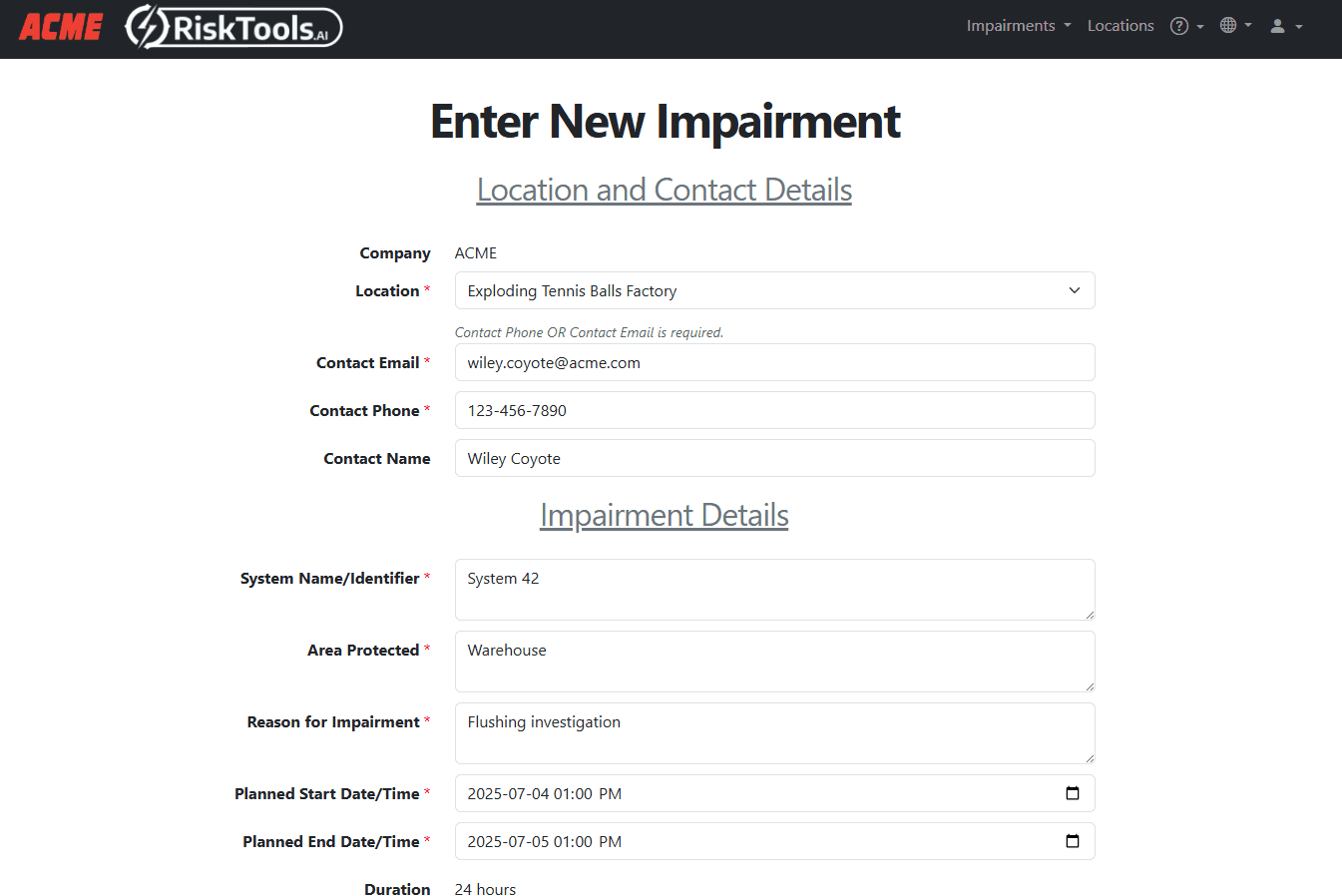
Our online impairment platform is deceptively simple - a simple form to report impairments that mirrors the paper permits your staff are already familiar with. But the magic is in the automation behind the scenes. Impairments are automatically classified, translated, and notices issued to everyone who needs to know, from corporate staff to fire departments to insurers. Automatic filters and reminders surface critical impairments and ensure nothing gets dropped or lost. It's easy to access for anyone with a corporate email address. And small important details like automatic translations, audit-trails, printable permits, and data exports are already built in.
We can have your company up and running in a matter of days.
Purpose-built impairment workflow
Our platform was designed by people with real world experience. Report, classify, track, escalate, and close impairments with ease.
Automatic reminders
Reduce overdue impairments with reminders for site impairment coordinators.
Classification and prioritization
Filter notices so that Account Engineers and Risk Managers don't drown in routine impairments. Automatically escalate major impairments to receive the attention they need.
Client self-administration
Each facility can manage their own users so that front line staff always have access to information and notifications.
Multi-insurer ready
Notify your broker and every subscribing insurer in your program, not just the primary lead. Easily change the notification list when the insurer panel changes, with no change to the work flow for front line staff.
Full multi-language support
Site staff read and respond in their local language. Machine translation trained on industry-specific terminology ensures brokers and insurers are promptly notified in their language of choice.
Data export
Pull your impairment data for offline analysis or compliance reporting at any time.
Onboarding included
An intuitive platform with a modern interface is easy for staff to learn. Our setup and rollout includes training videos and reference manuals.
Free resources with practical fire protection impairment guidance.
We care about reducing losses, maintaining business continuity, and keeping people safe. We've published these guides to help you manage fire protection impairments more effectively, regardless of whether you're a client of ours.
What is a Fire Protection Impairment?
Understand what an impairment is, why it matters, and how elevated risk should be managed. Download PDF
Establishing an Impairment Management Policy
Key considerations for building a written impairment policy and notification workflow. Download PDF
Precautions During a Fire Protection Impairment
Common precautions to consider while fire protection is impaired. Download PDF
Frequently Asked Questions About Impairments
Answers to common questions and guidance for unique situations. Download PDF
Frequently asked questions about impairments
Answers to common questions and guidance for unique situations.
01How long does an impairment need to be before a permit and reporting is necessary?
A fire protection system is considered impaired if it is rendered inoperable for any length of time. Your site policy should specify when an impairment needs to be reported. It is not the intent to capture very short-duration activities where protection is promptly restored to service (e.g. lubricating valve stems, exercising valves, or checking tamper switches). It is considered best practice to use the full impairment procedure any time an impaired device is left unattended, even if it is only for a few minutes. The system must be used for any impairment that spans a shift change, to ensure awareness for the incoming shift.
02Is fire pump maintenance an impairment?
Yes, normal fire pump inspection and maintenance activities such as changing engine or gear oils and oil filters require taking the fire pump offline. If a fire occurred during the maintenance activity, the engine could not be immediately started. Thus, an impairment permit should be used even if the job is constantly attended.
03Do dry pipe sprinkler flushing investigations constitute an impairment?
An impairment is not created when the system is tripped and left wet, as it can still respond to a fire. However, an impairment is normally necessary when the sprinkler valve is closed to install hose connections and to reset the system after the obstruction investigation is complete.
04How should dry pipe sprinkler system accelerators be managed?
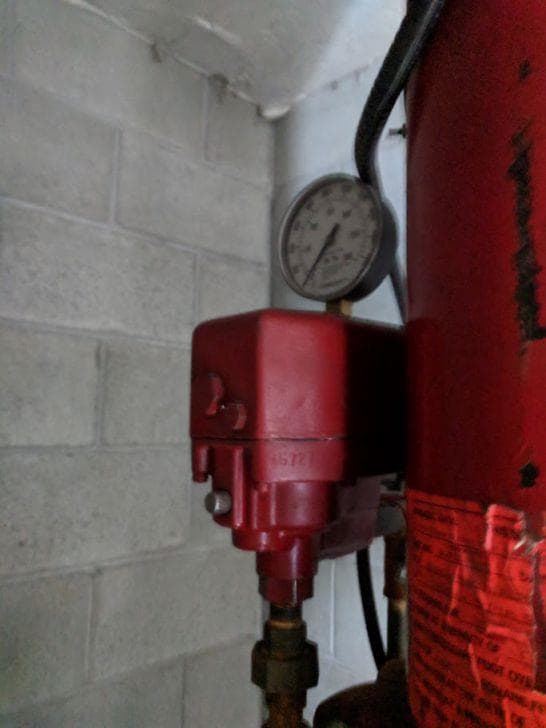
If an accelerator for a dry sprinkler system is isolated for any reason, an impairment should be logged. Even though the sprinkler system can be left in service and will still operate, water delivery to the fire will be delayed. In significant fires, this can impact the system's ability to control the fire. An impairment permit should be used to ensure the issue is documented and that the accelerator is correctly returned to service. Simply note on the impairment permit that the Dry Sprinkler System remains in service.
05What about Fire Alarm Systems?
Your site impairment policy should specify whether fire alarm devices such as smoke and heat detectors should be managed with an impairment permit. Many insurers do not require impairments to these devices to be reported, because they do not affect automatic systems that physically combat the fire.
However, special care must be taken for fire alarm devices that are interlocked to protection systems, such as smoke or heat detectors that actuate pre-action sprinkler systems in server rooms or deluge sprinkler systems. These devices must be managed with an impairment permit.
Some locations choose to manage all fire alarm devices with impairment permits to avoid confusion. The site Impairment Policy should document the approach your organization has chosen.
06What about the Public Water Supply?
Sites that rely on a public water supply for fire protection must be vigilant to disruptions in the supply. A water main break or planned shut down for work can impair fire protection systems on site, even in the absence of any action by site staff or closure of any valves on site. This situation consequently represents a significant fire protection impairment and should be managed and reported accordingly.
07Do fire extinguishers qualify as a redundant protection system?
No. Checking fire extinguishers and providing extra extinguishers is a good precaution for any impairment, but only a fully automatic protection system qualifies as "redundant." Systems that rely on manual operation such as fire extinguishers and hoses are considered a good precaution, but not a redundant protection system.
08What other special systems should an impairment policy consider?
Some sites have special protection systems that should also be managed with an Impairment Permit. Examples include clean agent systems for servers and electrical rooms, CO2 systems for fryers or machinery enclosures, spark suppression systems on combustible dust collectors, water mist systems, and foam systems - including foam tanks and bladders.
Locations with an on-site water reservoir or water tank should also use the impairment policy if the reservoir or tank is drained below the minimum fire reserve for cleaning, inspection, or maintenance.
Stay in the loop
Get product updates, industry insights, and loss control best practices delivered to your inbox.